May 27, 2026
Every year I watch the same thing happen.
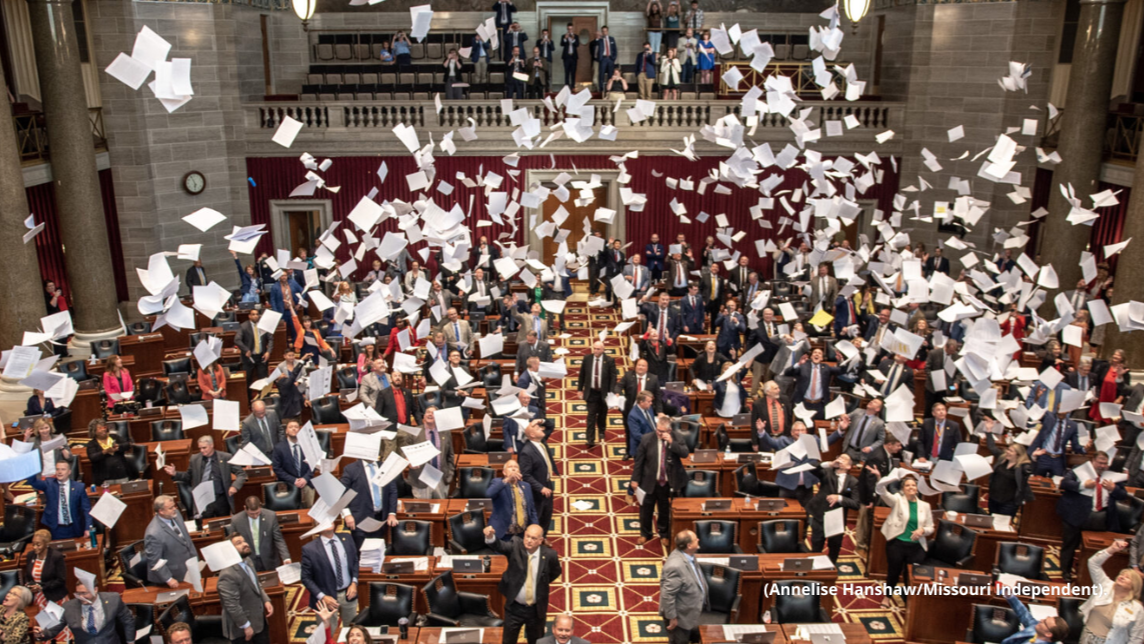
The final days of session arrive like a freight train. Everyone is sprinting — negotiating last-minute amendments, tracking floor votes in real time, fielding calls from advocates who need answers you don’t have yet. And then, suddenly, the gavel drops.
People exhale. And then they disappear.
I get it. Legislative session is a marathon disguised as a series of sprints. The burnout in this field is real, and the people doing this work – lobbyists, nonprofit advocates, government relations teams – have earned that exhale. Take the vacation. You deserve it.
But here’s what I’ve learned after years on the ground: the interim is not a pause, and the organizations that treat it like one tend to arrive at the next session starting from zero.
Really, it’s just a different kind of work.
The bills that passed still have to be implemented. The bills that didn’t pass still have to be explained to the advocates who worked tirelessly on them, many of whom watched language they believed in get amended into something almost unrecognizable by the final week. The legislators who championed your priorities still need relationship maintenance. And the ones coming in fresh next session? You’re already behind if you haven’t started thinking about them.
I had a wonderful conversation this week with Sarah Owsley, Advocacy Director at Empower Missouri, an organization that is celebrating their 125th year of doing state-level policy work. Sarah has spent nearly two decades in this space training organizations across Missouri and neighboring states in advocacy and legislative strategy. One thing she said that stuck with me: a plan is only good as a living, breathing document. You don’t set it down when session ends. You come back to it, reflect on it, update it, and build your lessons learned directly into your strategy for the year ahead.
That kind of continuity doesn’t happen if institutional memory walks out the door every June.
We talked specifically about Empower Missouri’s Clean Slate initiative, which works to automate expungement for certain offenses so that people aren’t permanently defined by their past. The bill that passed looked very different from the bill they introduced. Advocates had spent months rallying behind specific language, and now Sarah’s team has the nuanced job of explaining not just what changed, but why it still matters, what the wins actually were, and why they’re coming back to expand the policy next session. That kind of communication takes organization, clarity, and a team with supporters who haven’t lost the thread.
Here are three things I believe every advocacy team should be doing right now, whether your session just ended or you’re already deep in the interim:
Close the loop with your advocates. They gave real time and energy to your priorities this session. They deserve a genuine accounting of what passed, what didn’t, and what it all means for the work ahead. Don’t let the silence of the interim speak for you.
Protect your institutional memory. Clip those committee hearing transcripts and pull videos of what your legislators said and the powerful testimony your team gave. Update your legislator profiles with what you learned about their priorities, their relationships, and what moves them. Document what worked and what didn’t in your strategy. The team member who carries all of that knowledge in their head will eventually take another job, and when they do, you will feel the loss in ways you didn’t anticipate.
Don’t assume session is over. Veto sessions, special sessions, regulatory comment periods, these moments are where a lot of consequential work happens, and the organizations that show up consistently in those spaces are the ones that build lasting credibility with decision makers. Staying alert through the interim isn’t just good practice. It’s how you protect what you worked so hard to pass and build to the next win.
The breath you take at the end of session should be a strategic one. Rest, absolutely. You’ve earned it. But also reflect, organize, and prepare. Because next session’s success is quietly built during the months that nobody is paying much attention.
What does your post-session process look like? I’d love to hear what’s working for your team.